
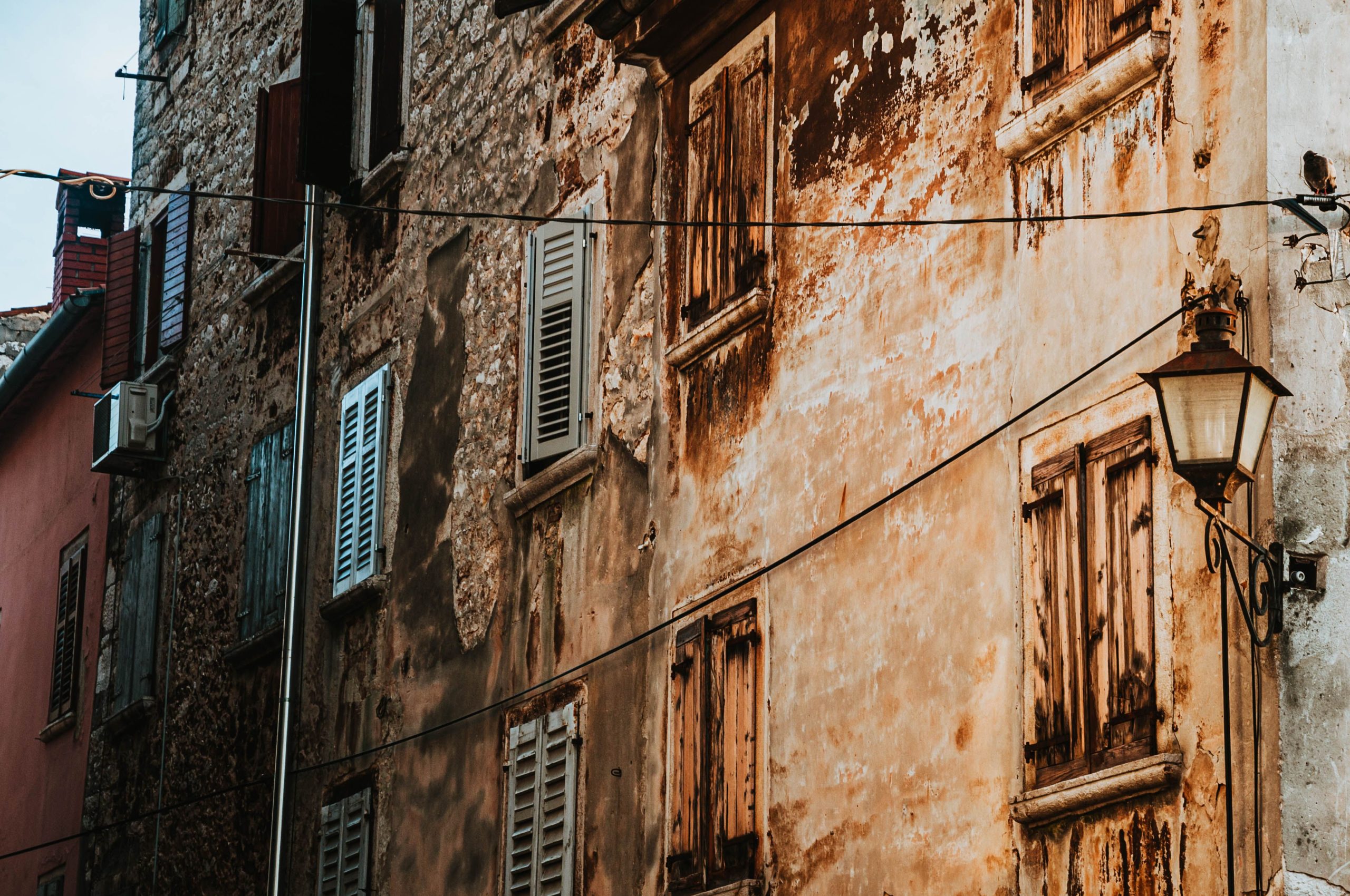
Every building exterior is a long-term negotiation with the weather. Rain soaks into masonry, sunlight breaks down paint and polymers, freezing water expands inside tiny cracks, and wind pushes moisture into places it should never reach. The material on the outside of a building is the first line of defense, and its performance depends heavily on the local climate. Understanding how each weather condition acts on each material helps owners, designers and contractors choose assemblies that last longer and need fewer costly repairs.
Table of Contents
Moisture and Rain: The Most Persistent Threat
Rain is usually the largest source of moisture a building wall ever sees. Building scientists often point out that driving rain, which is rain pushed sideways against a surface by wind, deposits more water on walls and roofs than almost any other factor. Porous materials such as brick, concrete block, stucco and unsealed wood take on water like a sponge. Once saturated, they can crack, spall, grow mold or lose their insulating value.
Moisture damage tends to follow a few predictable patterns:
- Absorption: Porous masonry and mortar joints soak up water and hold it for long periods.
- Staining and efflorescence: Water carries salts to the surface, leaving white deposits and dark streaks.
- Rot and corrosion: Untreated wood swells and decays, while metal fasteners and flashing can corrode.
- Paint failure: Trapped moisture pushes paint off the surface, causing blistering and peeling.
Good design tries to keep water away from the material in the first place. Overhangs, drip edges, sills and proper drainage all reduce the amount of water a wall receives. For a deeper look at how designers manage this load, the Building Science Corporation digest on rain control in buildings explains why shedding water from the exterior face is usually the most effective first step.
Temperature Swings and Freeze-Thaw Damage
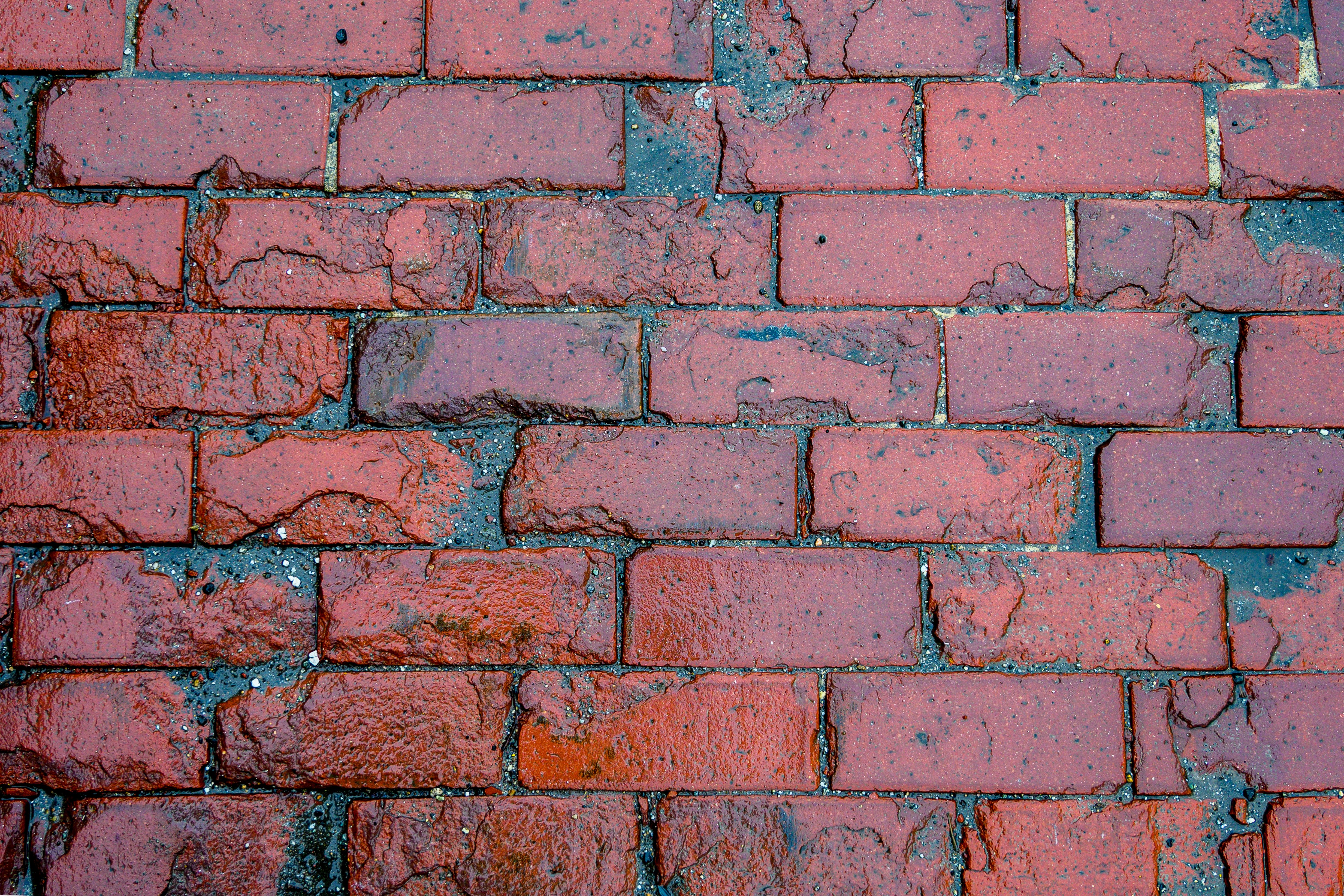
Materials expand when they heat up and contract when they cool down. A single day with a large temperature swing creates small movements, but thousands of cycles over a decade can open joints, crack finishes and loosen fasteners. Temperature change is only part of the problem, though. When water enters a crack and then freezes, it expands by roughly nine percent, and that pressure can split concrete, brick and stone from the inside.
Freeze-thaw damage is most severe in climates where temperatures repeatedly cross the freezing point. Materials that are highly absorbent and have poorly connected pore networks are the most vulnerable. Engineers testing building materials often use freeze-thaw cycling as a standard durability check for this reason.
- Cracks in stucco or mortar widen after each freeze, letting in more water.
- Concrete surfaces flake or scale in a process called spalling.
- Sealants lose flexibility and pull away from window frames and panel joints.
- Coatings that are not vapor-permeable can trap moisture that later freezes.
Sunlight, UV Radiation and Heat
Sunlight is often underestimated. Ultraviolet radiation breaks chemical bonds in paints, sealants, plastics and wood surface fibers. Over time, the result is chalking, fading, gloss loss and brittleness. Dark-colored materials absorb more solar heat and can reach surface temperatures far above the air temperature, which speeds up expansion and contraction and accelerates aging of nearby components.
Research on exterior insulation and finish systems has found that UV exposure, combined with moisture and temperature cycling, can cause surface cracking and changes in water absorption. Some studies on composite cladding also show that UV exposure can weaken materials more than freeze-thaw cycling alone, which is a reminder that no single weather factor works in isolation.
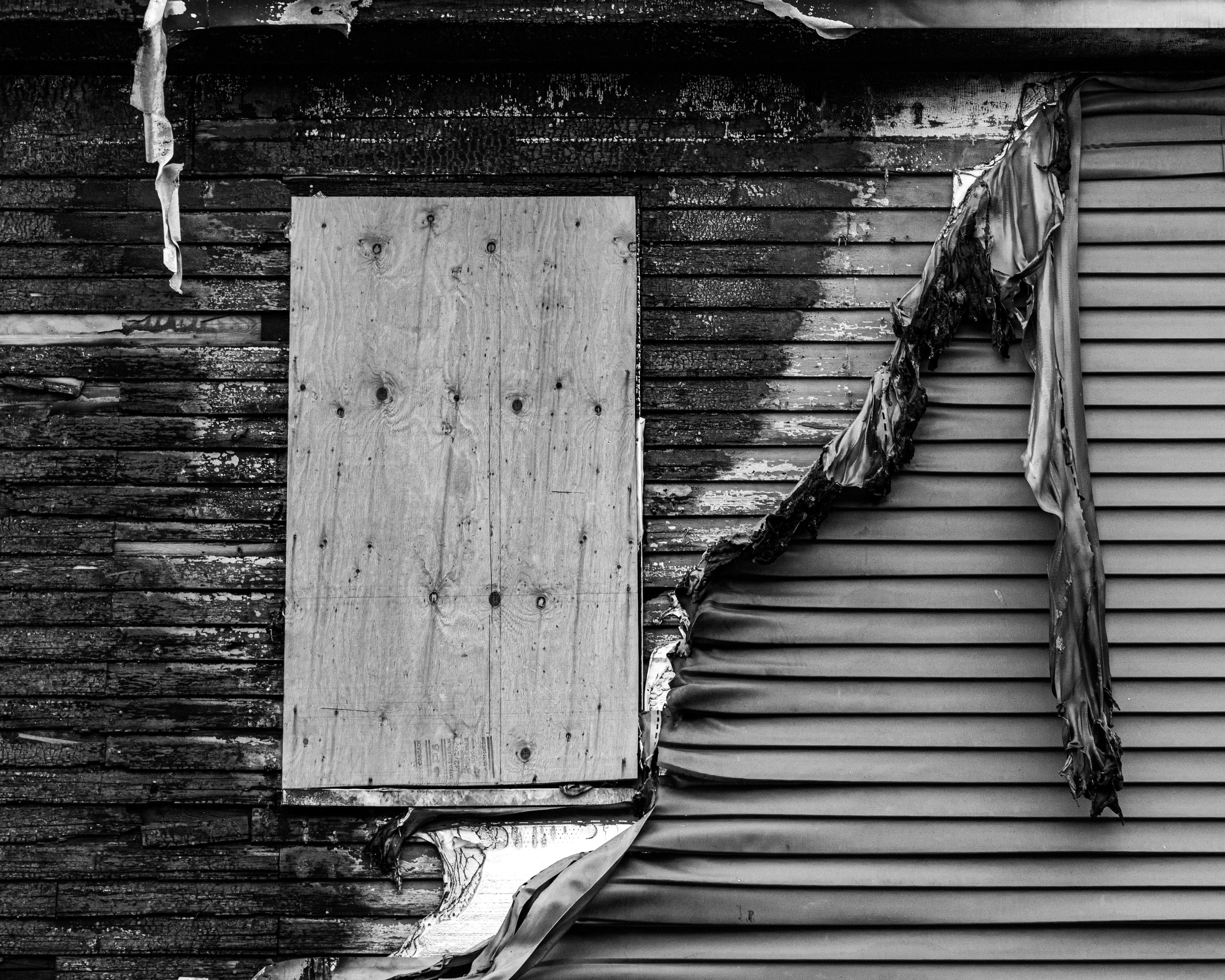
The image below shows what happens when finishes break down and wood is exposed to heat and weather over a long period.
Wind and Wind-Driven Rain
Wind changes how water reaches a building. A gentle, vertical rain may run harmlessly down a wall, but strong gusts can push water into gaps, under flashing and through joints that would normally stay dry. Tall buildings, exposed coastal sites and open plains see the strongest effects. Wind also increases evaporation, which can help materials dry, but only if the assembly is designed to let moisture escape.
The rainscreen principle, widely used in North America and Europe, responds to this problem with two lines of defense. The outer cladding sheds most water and manages wind pressure, while a drained and ventilated cavity behind it captures any water that gets through. Materials used as cladding therefore need to do more than look good. They have to handle repeated wetting, drying and pressure differences without deforming or letting water pass.
Specifiers should also consider how the cladding interacts with the rest of the wall. The U.S. Department of Housing and Urban Development’s guide Durability by Design recommends selecting exterior wall coverings based on the local climate and the level of rainfall the wall will face, rather than relying only on code minimums.
Snow, Ice and Added Load
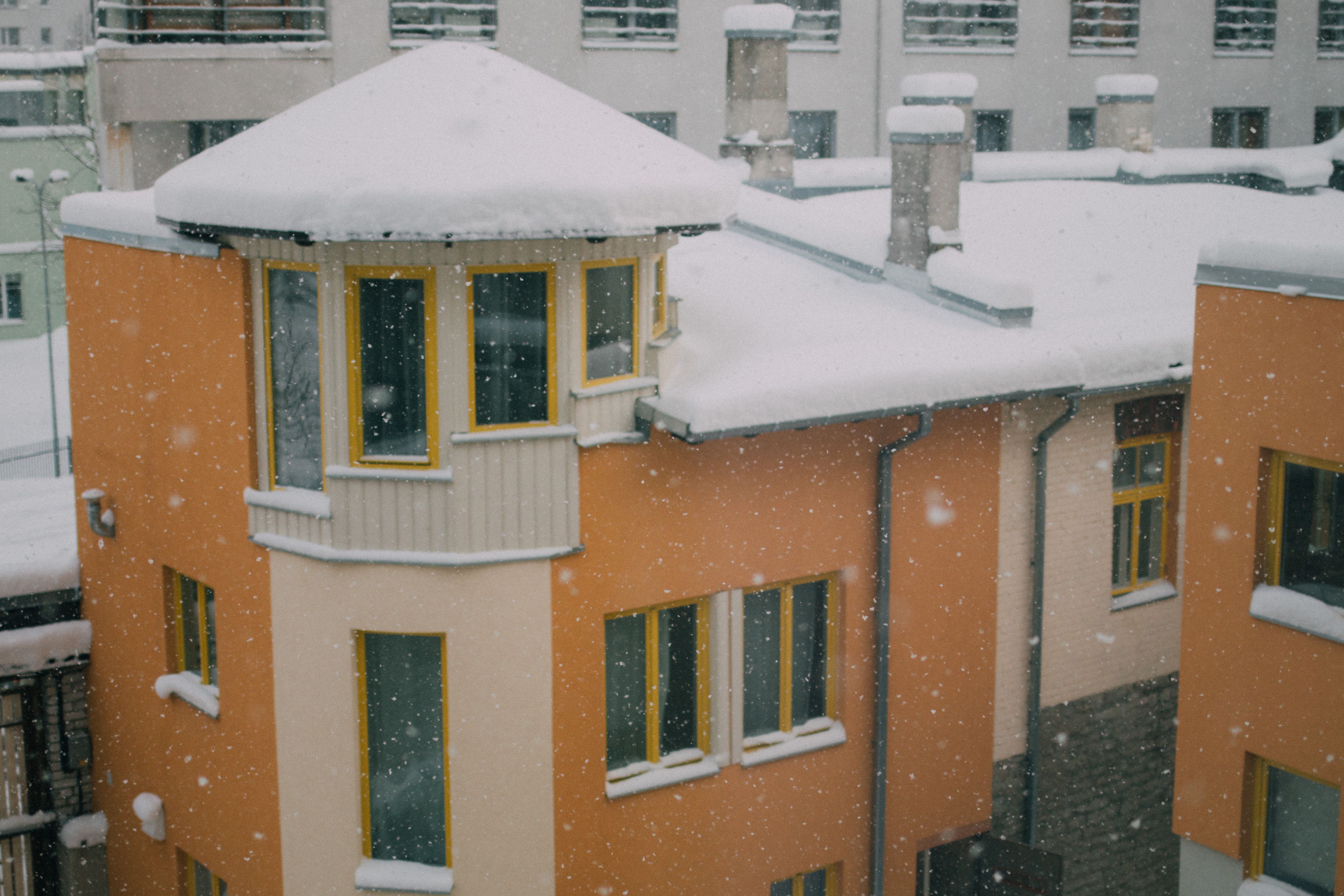
Snow adds weight, and it also holds moisture against surfaces for long stretches. Meltwater can refreeze at eaves and along lower walls, forming ice that forces its way under coverings. Snow piled against a facade can keep the lower wall wet through the winter, and the combination of freezing and thawing puts materials under constant stress.
Roof edges, parapets and the base of walls are the usual trouble spots. Designers often add heat tracing, wider overhangs or sloped surfaces to shed snow, and they select materials that tolerate repeated freezing without cracking.
How Common Materials Compare
No exterior material is immune to weather, but each has a characteristic weakness. The table below summarizes how several common options respond to the main weather conditions discussed above. Ratings are general guidance and will vary with product quality, installation and local exposure.
Choosing well is not only about the material itself. A moderate material with a well-designed drainage cavity, flashing and ventilation can outperform a premium material installed without attention to water paths. The best choice always starts with the local climate and the exposure level of the building.
Maintenance That Protects Exterior Materials
Weather damage is cumulative, so routine checks catch problems while they are still cheap to fix. A practical inspection schedule usually covers the following:
- Twice a year: Inspect sealants, caulking and flashing around windows, doors and penetrations.
- After severe storms: Look for cracks, loose panels, displaced trim and water stains on interior walls.
- Annually: Clean gutters, check downspouts and confirm that water drains away from the foundation.
- Every few years: Recoat paint and finishes before they fail, and clean biological growth that holds moisture.
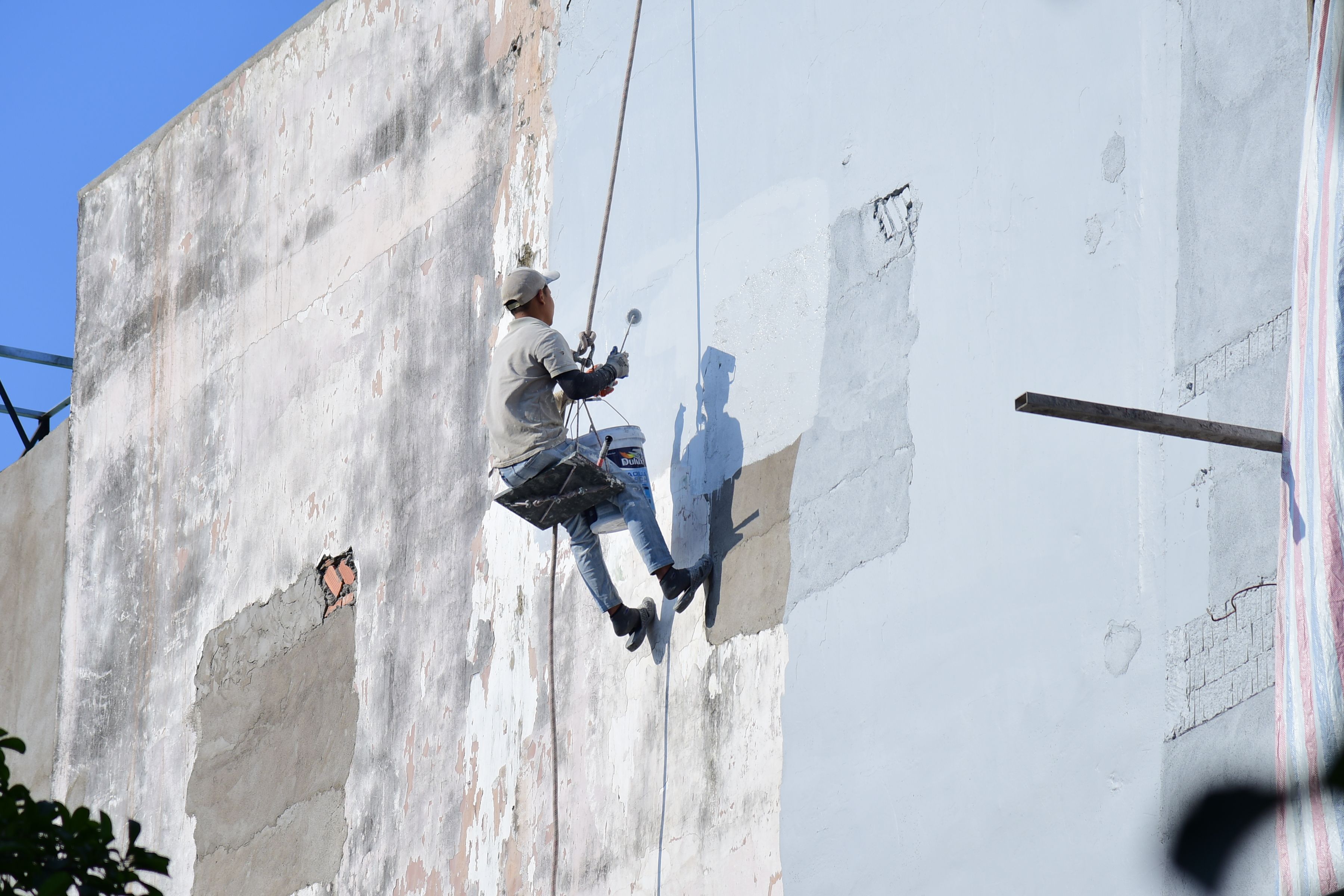
Maintenance work on high or hard-to-reach facades often requires specialized access. In many cases, trained crews use rope access systems to inspect and repaint without scaffolding, which can reduce cost and disruption. The photo below shows this kind of work on a tall building.
Final Thoughts on Weather-Resistant Exteriors
Weather is not a single force. Rain saturates materials, sun breaks down their surfaces, freezing water splits them from within, and wind pushes moisture into gaps that were never meant to take it. A durable exterior accounts for all of these conditions at once, through sensible detailing, drainage, appropriate material choices and steady maintenance. Owners who treat their facade as a system rather than a single finish usually spend less over the life of the building and keep it looking better for longer.