
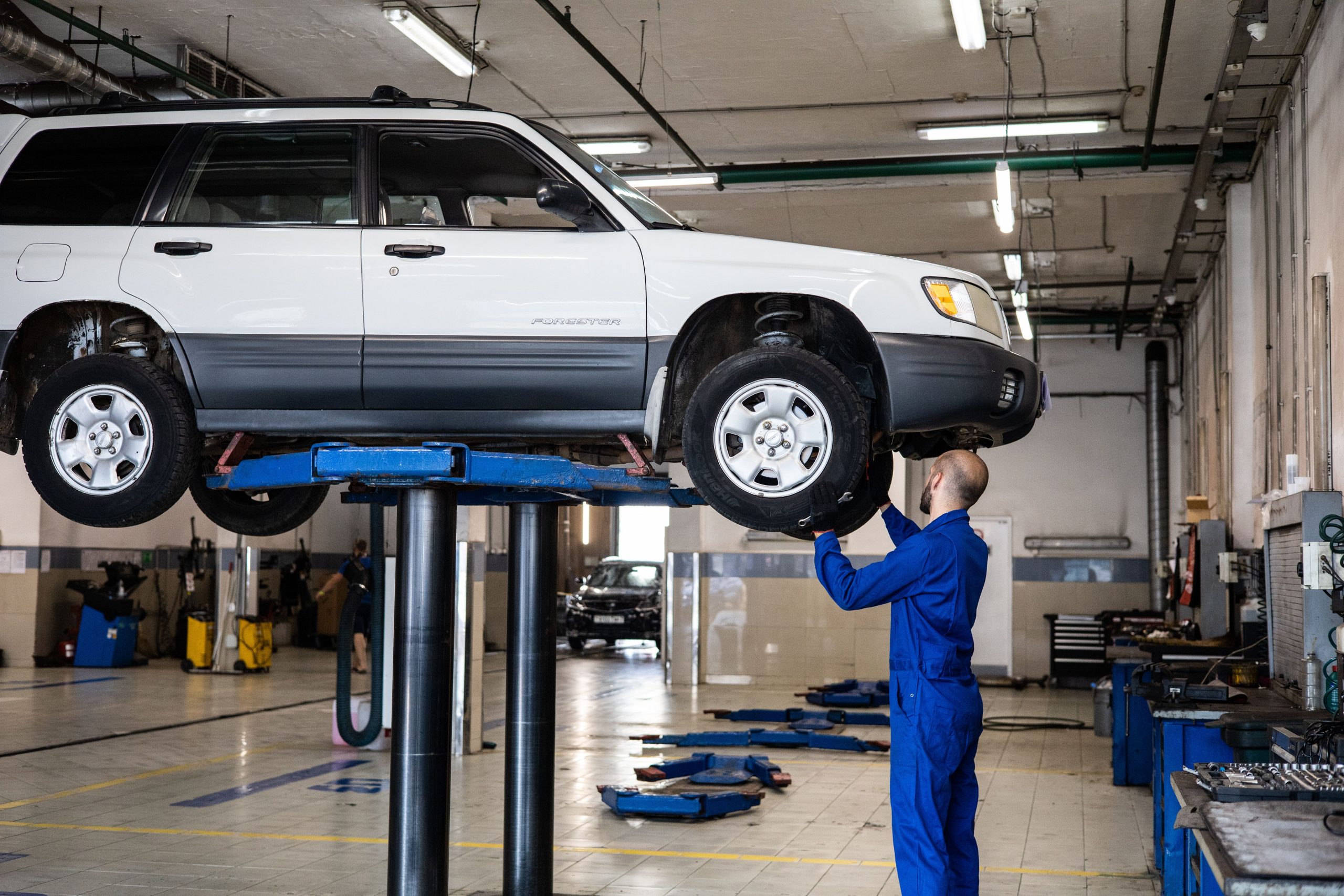
Sooner or later, even the most rugged SUVs require suspension repairs, and some models can deliver an unpleasant surprise when it comes to the cost. This list features five off-roaders known for having some of the most expensive suspension systems to repair.
Mercedes-Benz G-Class (W463 II)

The second-generation G-Class differs significantly from its predecessors and other models from the Mercedes-Benz lineup. For the first time in the model’s history, it features an independent double-wishbone front suspension, making the vehicle much more comfortable and precise to handle. However, along with improved handling, owners inherited a suspension system that is more complex – and, crucially, expensive to repair.
After 60,000 – 75,000 miles, components such as ball joints, front control arm bushings, and tie rods may require replacement. While the parts themselves are of high quality, the price of genuine components remains among the highest in the class.
Owners of versions equipped with adaptive suspension face the steepest bills. Electronically controlled shock absorbers significantly enhance ride comfort and handling, but replacing them when they fail costs several times more than standard units. Saving money by opting for aftermarket parts is rarely an option, as high-quality alternatives are also expensive. Genuine steering components cost just as much.
Another complication is that the G-Class suspension requires precise wheel alignment after most repairs. Achieving factory specifications when using aftermarket parts is not always possible, forcing owners to purchase genuine components – which further drives up the cost of restoration.
Land Rover Discovery 4
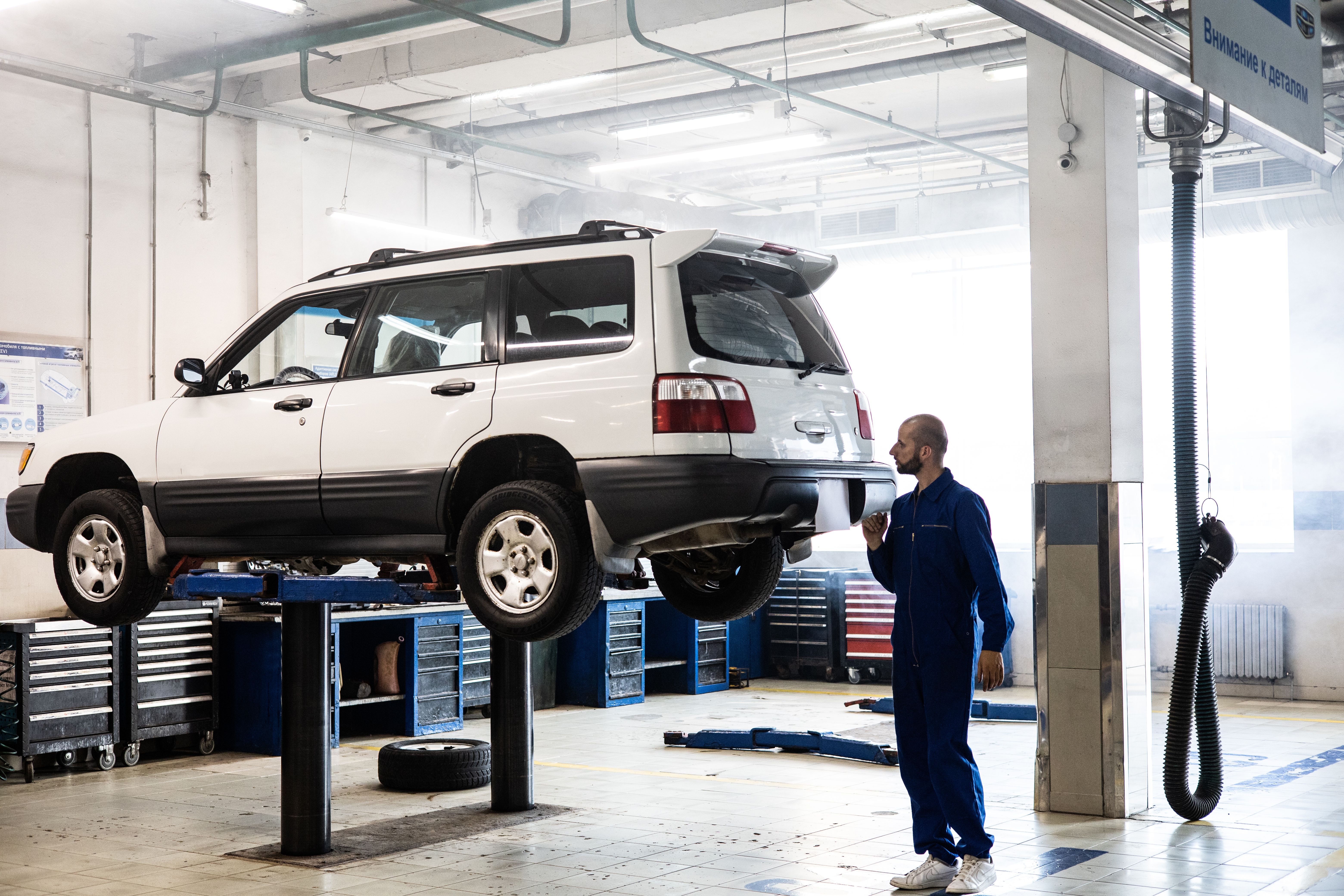
Thanks to its permanent all-wheel drive, long-travel independent suspension, and signature Terrain Response system, the Discovery 4 has earned a reputation as one of the most capable vehicles in its class. However, its complex design makes suspension repairs a costly affair.
Major expenses typically arise after the 60,000–75,000-mile mark. On versions equipped with air suspension, the air springs are often the first components to require attention. Over time, the rubber bellows lose their airtight seal and develop micro-cracks, causing the vehicle to sag after being parked. This puts a heavy load on the air suspension compressor, which can quickly overheat and fail.
Repairing the mechanical suspension components is equally costly. The Discovery’s aluminum control arms are subjected to significant stress, even during routine city driving. By 75,000–90,000 miles, the vehicle often requires simultaneous replacement of ball joints, upper and lower control arm bushings, and stabilizer bar bushings and links. Genuine parts are expensive, so a comprehensive overhaul can take a serious toll on your budget.
You may also need to invest in the Dynamic Response active stabilizer system, which was primarily found on top-tier trim levels. Over time, hydraulic lines, actuators, and seals begin to leak, while new genuine components can cost thousands or even tens of thousands of dollars. Consequently, owners of high-mileage vehicles often face a difficult choice: pay a premium to restore the factory system or seek alternative solutions.
At that point, it’s worth weighing the benefits of repairing the vehicle against the possibility of trading it in. Used car dealerships can help drivers explore their options and are ready to buy vehicles as-is, including those that need costly suspension work.
Cadillac Escalade IV
A major potential expense for the Escalade is the Magnetic Ride Control adaptive suspension, a system that has been used on Cadillac’s flagship model for nearly two decades. It employs shock absorbers filled with a special magnetorheological fluid capable of instantly altering its viscosity to adjust suspension stiffness based on road conditions. While this provides the massive SUV with competent handling and a smooth ride, the shock absorbers often begin to leak or lose effectiveness once the vehicle reaches a mileage of 50,000–75,000 miles.
Replacing the original struts is costly, so some owners switch to a standard passive suspension setup and install electronic bypass modules to prevent dashboard error warnings. The rear-axle ride-height leveling system adds further complications: over time, the rubber bladders on the rear shocks lose their seal due to dirt and road chemicals, causing the constantly running compressor to fail prematurely.
The mechanical suspension components are more durable but still struggle to cope with the high unsprung mass of the heavy 22-inch wheels. By the 75,000–90,000-mile mark, the front control arm bushings and ball joints, stabilizer links, and wheel bearings – which are replaced as a complete hub assembly – typically require replacement. Although plenty of high-quality aftermarket alternatives are available, a comprehensive suspension overhaul using either genuine GM parts or quality replacements will inevitably cost a lot.
Infiniti QX56 / QX80 (Z62)
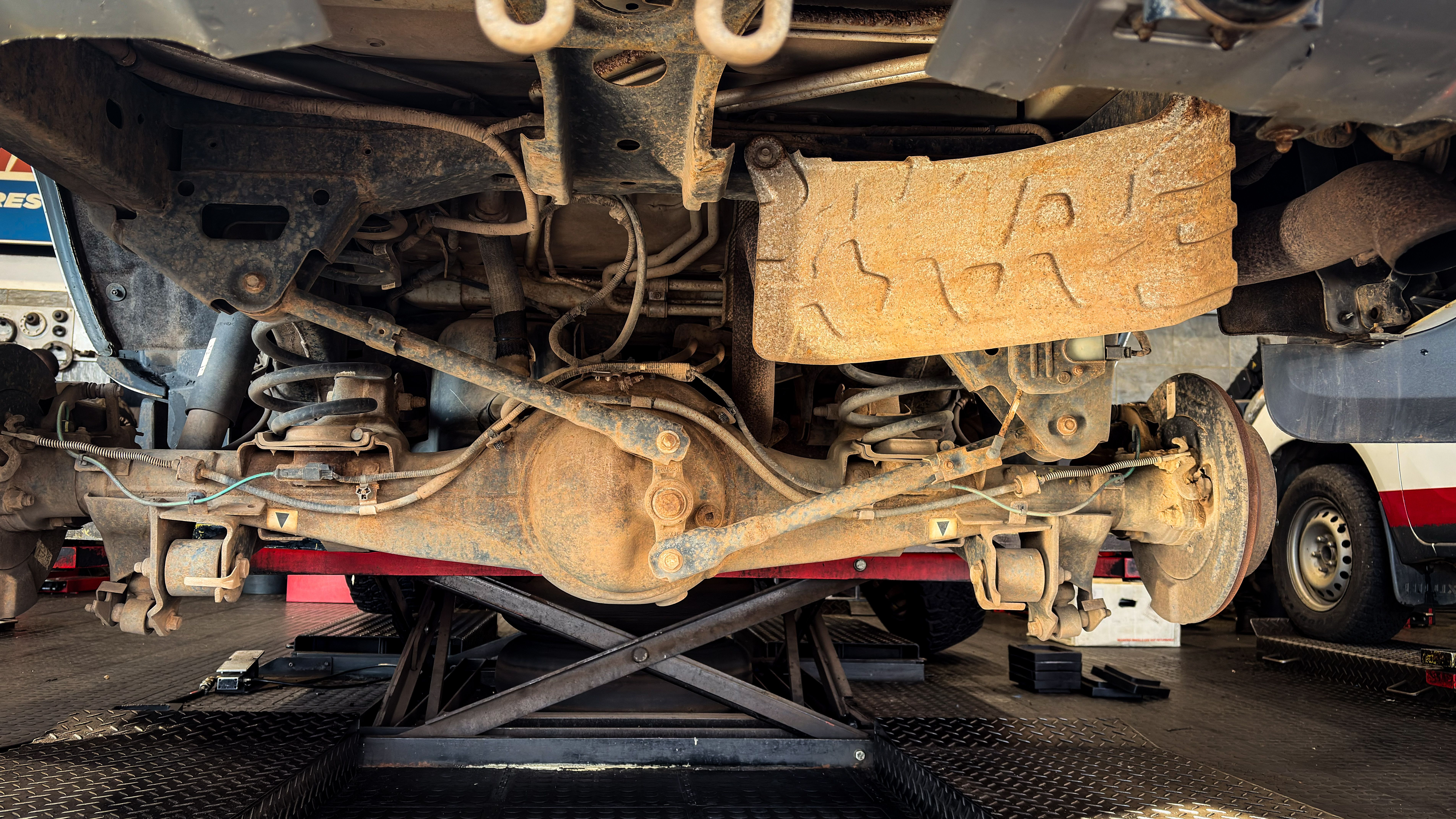
Infiniti’s suspension components are renowned for their durability, but the vehicle’s high curb weight and heavy factory 22-inch wheels take their toll. By the 60,000–80,000-mile mark, the front control arm bushings and ball joints typically fail; factory specifications require replacing them as complete assemblies, which is costly.
Wheel bearings also rarely survive beyond 60,000–75,000 miles under the weight of this three-ton SUV. Another potential expense is the rear air suspension system used for ride-height leveling, which features vulnerable air springs and a compressor. Consequently, even in standard trim, this Japanese rival to the Escalade can saddle its owner with hefty suspension maintenance bills.
However, the primary source of massive expenses is the optional HBMC, or Hydraulic Body Motion Control, system, which was offered on high-end trim levels throughout the model’s production run. Instead of conventional sway bars, this system employs hydraulic cylinders connected by high-pressure lines. By 75,000–90,000 miles, the actuator cylinders often begin to leak, the underbody lines corrode, and the hydraulic accumulators lose operating pressure.
Repairing the hydraulic system is astronomically expensive, and bleeding it requires specialized equipment; as a result, many owners simply remove the HBMC system when it fails, replacing it with standard shock absorbers and heavy-duty springs.
Lexus LX (J200)
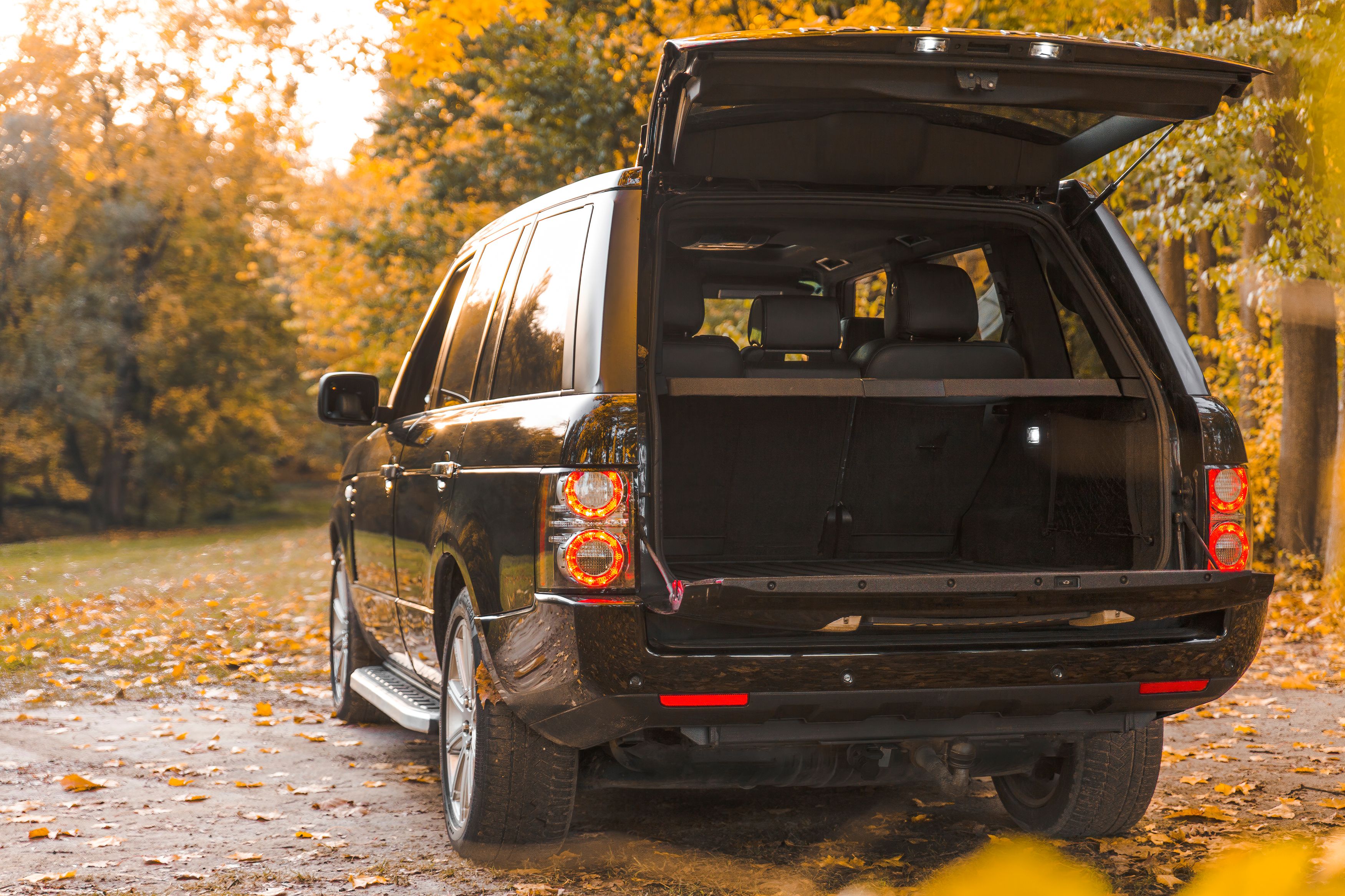
The naturally aspirated V8 engine and Lexus transmission are capable of covering hundreds of thousands of miles without major intervention. However, the powertrain’s impressive longevity does not mean that operating the vehicle will be inexpensive. As the vehicle ages, the suspension and running gear often become the primary source of repair costs.
Up to roughly 90,000–110,000 miles, the suspension typically causes few serious issues; beyond that, owners increasingly face the need for significant investment. Repairs to the AHC hydraulic system – which controls ride height – are the most expensive. Over time, the system’s hydraulic accumulators and lines lose their seal, placing an increased load on the pump.
Around this same time, other suspension components also require attention: control-arm bushings, front control-arm ball joints, and shock absorbers reach the end of their service life. In the steering system, the rack’s internal bushings and seals are the most common points of wear, leading to knocking sounds over minor road irregularities or fluid leaks.
When performing a comprehensive overhaul using genuine parts, the total cost of restoring the suspension can easily run into the thousands or even tens of thousands of dollars, depending on the failed components and labor required.